


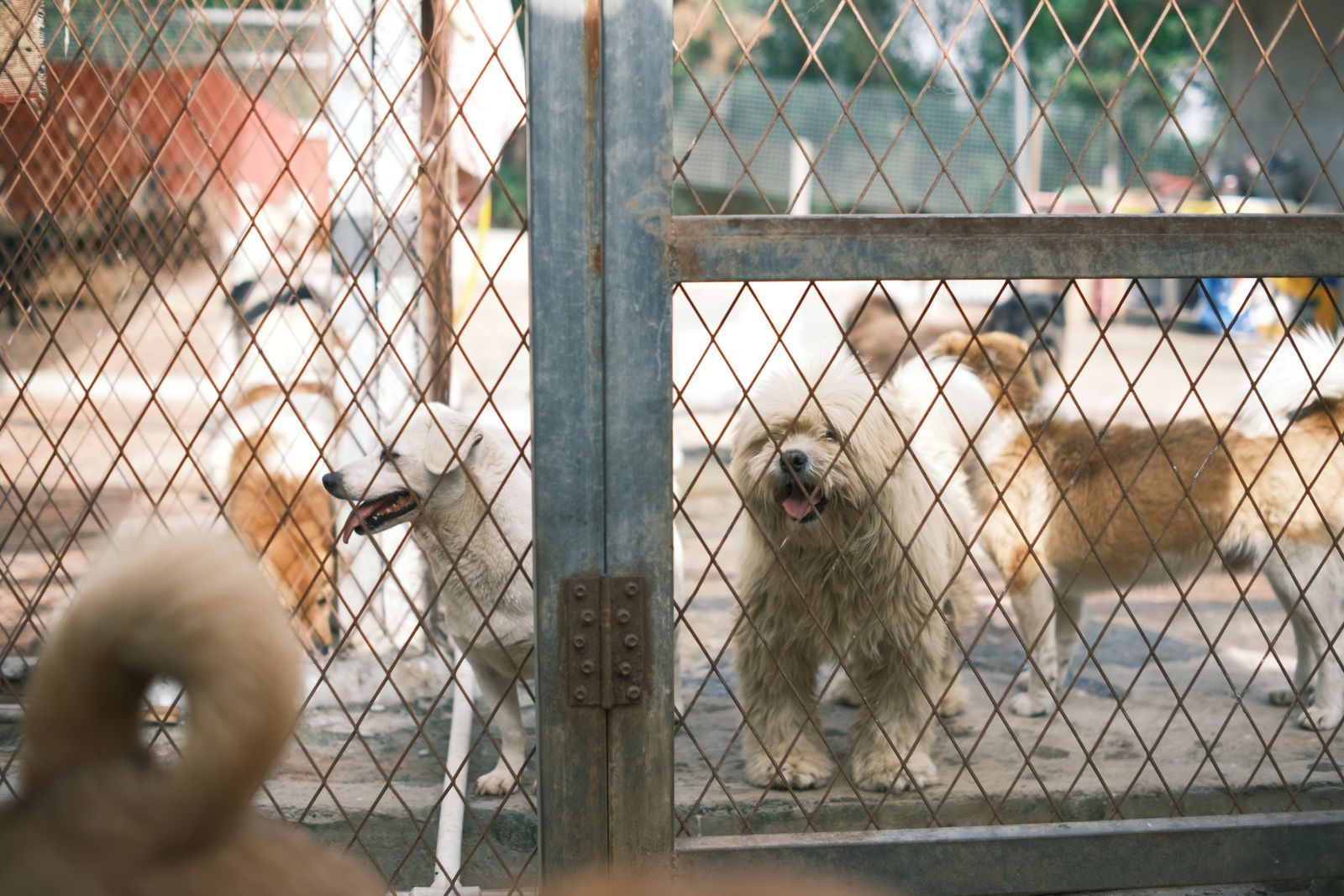
Kennel cough is a highly contagious cough complex that dogs pick up in places where dogs gather, such as boarding kennels, daycare, grooming salons, and dog parks. The classic sign is a dry, honking cough. Most healthy adult dogs recover with rest, but puppies, seniors, and flat-faced breeds should be checked by a veterinarian.
What kennel cough actually is
Kennel cough is the everyday name for canine infectious respiratory disease, a group of viruses and bacteria that irritate a dog’s windpipe and upper airways. It is not one single germ, which is why dogs can catch it more than once. The name comes from where dogs most often pick it up: anywhere dogs share air and space, including boarding kennels, daycare playrooms, grooming salons, training classes, and busy dog parks.
Because it spreads so easily, kennel cough tends to move through social dogs the way colds move through a classroom of children. That comparison is useful in another way too. For most healthy adult dogs the illness is unpleasant but short lived, while very young, very old, or otherwise vulnerable dogs need closer attention from a veterinary team.
The honking cough and other signs to watch for
The signature sign is a dry, harsh cough that many owners describe as honking, like a goose. It often comes in fits, especially after excitement, exercise, or gentle pressure on the collar. Some dogs gag or retch at the end of a coughing fit and bring up a small amount of white foam, which can look alarming but is common with this condition.
Alongside the cough you may notice a runny nose, occasional sneezing, mild lethargy, or a dog whose behaviour is slightly quieter than usual. Appetite usually stays normal. Signs typically appear a few days to about a week after exposure, which is why a dog can seem perfectly healthy at pick up from boarding and start coughing at home the following week.
How kennel cough spreads between dogs
Kennel cough spreads mainly through the air. When an infected dog coughs or sneezes, it releases droplets that nearby dogs breathe in. It also passes through direct nose-to-nose greetings and through shared items such as water bowls, toys, bedding, and kennel surfaces. A dog does not need to look sick to be contagious, and some dogs shed germs before they ever start coughing.
This is why outbreaks tend to cluster around places where many dogs mix. Even a well run, spotless facility cannot remove the risk entirely, because the germs travel with the dogs themselves. Good facilities reduce risk with ventilation, cleaning, and vaccination requirements, and owners can help by keeping any coughing dog at home.
Why summer raises the risk for Surrey dogs
Summer is peak travel season, and that changes life for dogs as much as for people. Boarding kennels and daycares fill up with holiday bookings, grooming appointments increase, and warm evenings draw more dogs and their owners outside at the same time. More dogs sharing the same air, bowls, and play spaces means more opportunities for kennel cough to spread.
For families in Surrey planning a getaway, the practical takeaway is to think about respiratory protection before the trip, not after. Booking a boarding spot early usually goes hand in hand with checking vaccine requirements, since many facilities ask for proof of protection given days to weeks in advance so it has time to take effect.
When kennel cough is mild and when to call your veterinarian
In most healthy adult dogs, kennel cough behaves like a nuisance cold. The cough is loud and persistent for a week or two, but the dog keeps eating, drinking, and wagging. Rest, avoiding collar pressure by using a harness, and keeping things calm at home are often all that is needed while the airways settle. Your veterinarian can examine your dog and advise whether anything more is appropriate.
Some dogs should always be seen promptly. Call your veterinary team if your dog is a young puppy, a senior, pregnant, or a flat-faced breed such as a pug or bulldog, or if any dog stops eating, seems unusually weak, shows laboured breathing, or has a cough that worsens instead of easing. Our medical services team can assess the cough and rule out other causes, and health screening tests can help when a picture is not straightforward.
Vaccination as part of boarding preparation
Vaccination against the main kennel cough agents is a lifestyle decision, which means it is based on how your dog actually lives. A dog who boards, attends daycare, visits the groomer, or plays at busy parks has a very different exposure level than a homebody. Because kennel cough involves several germs, vaccination reduces the chance and severity of illness rather than guaranteeing your dog will never cough.
The best approach is a conversation with your veterinarian about your dog’s summer plans, ideally a few weeks before boarding so any vaccine has time to build protection. Our wellness and vaccination programs are designed around exactly this kind of lifestyle-based planning, and our preventive services can cover the other pre-boarding basics, such as parasite protection, at the same visit.
Keeping a coughing dog home protects the whole neighbourhood
If your dog starts coughing, the kindest thing you can do for other dogs is keep yours home. Skip daycare, boarding, grooming, group classes, and the dog park until the cough has fully resolved, and check with your veterinary team about how long to wait, since dogs can remain contagious for a while after they feel better.
It also helps to phone ahead before bringing a coughing dog to any clinic, so the team can plan the visit in a way that avoids exposing other patients in the waiting room. A little courtesy goes a long way in a dog-friendly community, and it keeps kennel cough from circling back through the same daycares and kennels all season.
Frequently asked questions
Can my dog get kennel cough even if vaccinated?
Yes, vaccinated dogs can still catch kennel cough because several different germs are involved, but vaccinated dogs typically experience milder signs and recover faster. Vaccination remains a valuable part of preparing for boarding or daycare.
How long does kennel cough last?
Most uncomplicated cases improve within one to three weeks. If the cough lasts longer, worsens, or is joined by poor appetite, weakness, or laboured breathing, have your dog examined by a veterinarian.
Is kennel cough dangerous for my dog?
For most healthy adult dogs it is mild and self-limiting. It can be more serious for puppies, seniors, flat-faced breeds, and dogs with existing health conditions, so those dogs should be seen promptly if they start coughing.
Can people or cats catch kennel cough from a dog?
Spread to healthy people is considered very unlikely, though cats and immunocompromised individuals can occasionally be affected by one of the bacteria involved. Sensible hygiene, such as washing hands and separating pets while a dog is coughing, is a reasonable precaution.
How soon before boarding should I ask about vaccination?
Ideally a few weeks before your dog’s boarding or daycare stay, so any recommended vaccine has time to build protection and you can meet the facility’s proof-of-vaccination deadline without a last minute rush.