
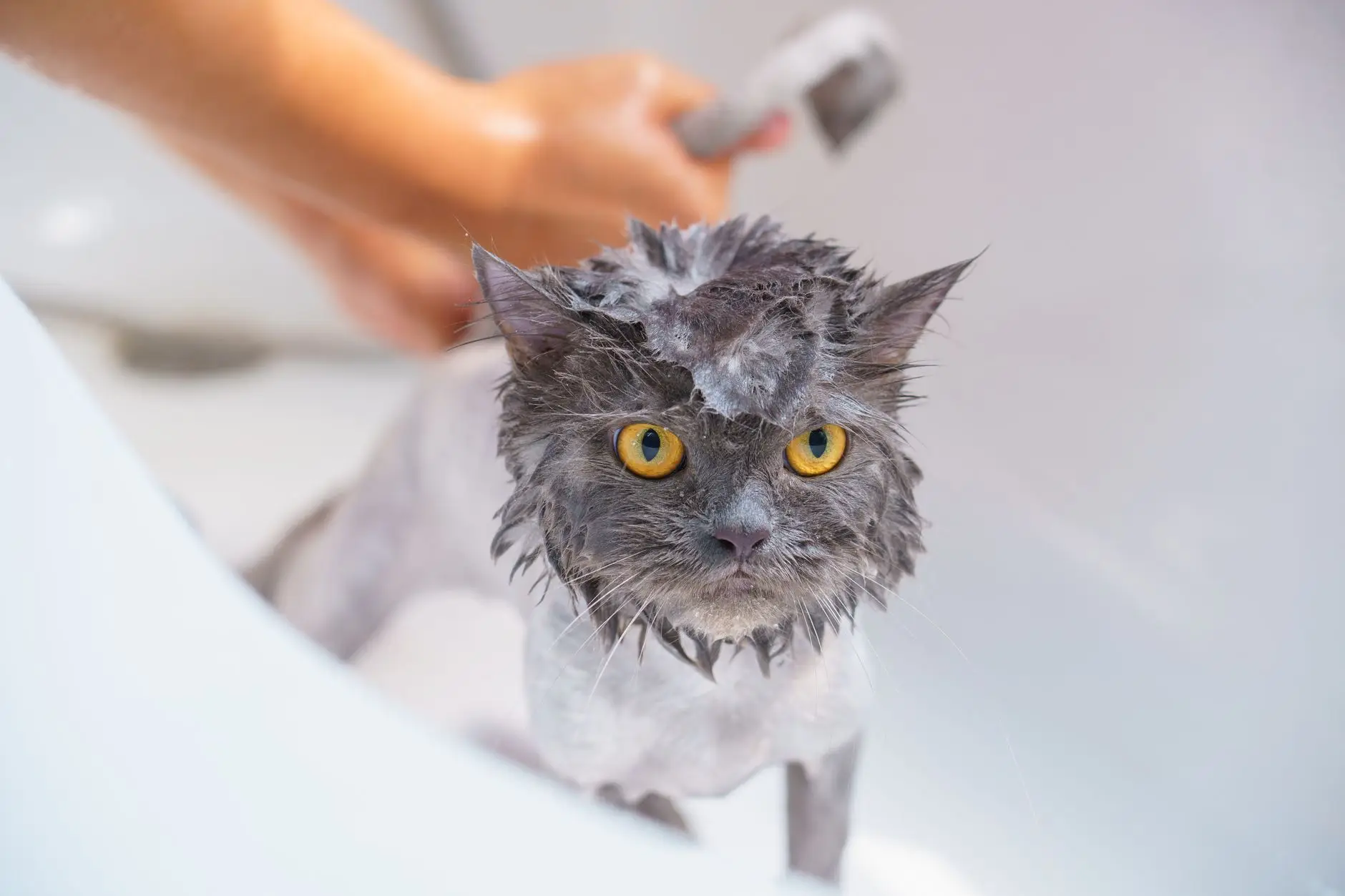
An occasional hairball, perhaps a few times a year, is within normal range for most cats. Bringing one up every week or two is not, and it usually means either that your cat is grooming more than they should be or that hair is not moving through the gut properly. Both are worth investigating rather than accepting.
The most tolerated abnormal thing in cat ownership
Hairballs occupy an odd place. They are unpleasant enough to be a running joke and common enough that nobody questions them, so a cat who produces one most weeks is described as a cat who “gets hairballs” rather than a cat with a repeating clinical sign.
The useful reframe is this: a hairball is evidence of two things happening at once. Hair is being swallowed, and hair is not passing through. Both halves of that are worth a moment’s thought, because both have explanations beyond bad luck.
What a hairball actually is
Cats groom constantly, and the backward-facing barbs on the tongue mean loose hair goes one way only: down. Most of it passes through the digestive tract and leaves in the stool without anyone noticing.
A hairball forms when hair accumulates in the stomach instead and eventually gets brought back up. The shape gives it away, since it arrives as a compact cylinder rather than a ball, having taken the form of the oesophagus on the way up.
So the two questions worth asking are why there is more hair than usual, and why it is not moving on.
Reasons a cat swallows more hair
Overgrooming is the most common answer, and it is very rarely just a habit. Skin disease from allergies or parasites causes itching, and an itchy cat grooms. Fleas are a frequent culprit even in indoor-only cats and even when nobody has seen one, because a cat who grooms efficiently removes the evidence. Pain also drives grooming, and cats often overgroom directly over a sore area, so a bald patch over one hip or the lower abdomen is a clue rather than a cosmetic issue.
Stress and anxiety produce overgrooming too, often on the belly and inner legs, and it can be striking. That belongs on the list rather than at the top of it, since it is a diagnosis reached after the physical causes have been checked.
Then there is coat length and season. Long-haired cats swallow more hair for obvious reasons. Late summer and early autumn bring a coat change, and indoor cats living under artificial light shed year round rather than in a clean seasonal cycle. Multi-cat households add mutual grooming, which means one cat can be swallowing another cat’s coat.
Reasons hair does not move through
This is the half owners rarely consider, and it is the more important one. Hair leaving the stomach depends on normal gut motility, so anything that slows or disrupts the digestive tract makes hairballs more likely.
Chronic inflammatory disease of the intestine, food intolerance, and in older cats intestinal disease of other kinds can all present this way. So can constipation and reduced hydration, which matter particularly in cats eating mostly dry food. In older cats, conditions affecting the whole body change appetite, thirst and gut function together.
That is why a cat producing frequent hairballs deserves an examination rather than a supermarket remedy. A hairball is a symptom, and the useful question is what it is a symptom of.
What is not a hairball
This is where owners most often go wrong, because several very different problems produce a cat crouched low, extending the neck and making a distressing noise.
When the performance ends with nothing on the floor, you are almost certainly watching a cough. Coughing sends the investigation toward the airways rather than the stomach, and it is a separate problem entirely.
If food appears undigested very soon after eating, with no real effort and no heaving, that is regurgitation rather than vomiting, and it points at the oesophagus.
And if a cat is retching repeatedly, producing nothing, and is off their food and lethargic, that is not hairball behaviour at all. Repeated unproductive retching with a painful abdomen is one of the ways an intestinal obstruction presents, and in cats a swallowed thread or string is a particular concern. That is a same-day matter.
When to book, and when to hurry
- Hairballs more often than about once a month
- Retching or gagging that produces nothing, repeatedly
- Any bald patches, thinning coat, or fur that looks chewed
- Scabs, redness or over-grooming of one particular area
- Weight loss, or a drop in appetite
- Constipation, straining in the litter box, or a change in stool
- Lethargy or hiding alongside any of the above
Treat it as urgent if your cat is retching repeatedly without producing anything, is refusing food, has a tense or painful abdomen, or seems genuinely unwell.
Assessment usually starts with a full physical examination including a careful look at the skin and coat, a check for fleas, and questions about litter box habits. Bloodwork and imaging are used where the history suggests a motility or intestinal problem, and imaging through our radiology service is also how an obstruction is ruled in or out. Where a foreign body is confirmed, that sits with our soft tissue surgery team, and any procedure requiring sedation is planned through our anaesthesia and patient monitoring service.
What actually reduces them
Brushing is the single most effective thing, because hair on a brush is hair not in a stomach. Daily for long-haired cats, a few times a week for short-haired ones. Cats who dislike it usually tolerate short frequent sessions far better than long ones, and a rubber mitt is often accepted where a brush is not.
Hydration matters more than people expect, since well hydrated gut contents move more easily. A water fountain, several water stations away from the food, and wet food as part of the diet all help.
Diet has a genuine role, and fibre content and digestibility both influence how hair moves through. That is worth discussing rather than guessing, and it should be matched to your individual cat.
Two cautions. Do not use petroleum-based lubricant remedies routinely or long term without advice, because regular use can interfere with the absorption of fat-soluble vitamins, and reaching for one every week is treating a sign while the cause continues. And never give a cat any human laxative or remedy.
If your cat is grooming from stress, the answer is environmental rather than dietary: more vertical space, secure resting places, predictable routine and enough to do. For a cat who needs medicine as part of a plan, our guide to giving a pet a pill covers the practical technique, and the same handling principles apply to routine home care such as brushing your cat’s teeth, which shares the same short-and-frequent approach that makes grooming acceptable.
Frequently asked questions
How often is normal for hairballs?
Occasionally, perhaps a few times a year, is within normal range for most cats. More often than about once a month is worth investigating. Weekly hairballs are a repeating clinical sign rather than a quirk, and they usually indicate either that a cat is grooming more than they should be or that hair is not passing through the gut normally.
My cat retches but nothing comes up. Is that a hairball?
Probably not. Producing nothing points toward a cough, which sends the work-up to the chest instead of the digestive tract and is a separate problem. Repeated unproductive retching alongside a poor appetite, lethargy or a painful abdomen can also indicate an obstruction, which is a same-day concern in a cat.
Do long-haired cats just get more hairballs?
They swallow more hair, so they are more prone, but that does not make frequent hairballs normal for them. A long-haired cat producing one most weeks still deserves a check for skin disease, parasites, pain-related overgrooming and gut motility problems. Daily brushing makes a substantial difference in these cats.
Are hairball remedies safe to use regularly?
Occasional use is generally fine, but relying on a petroleum-based lubricant every week is not a good long-term plan. Regular use can interfere with absorption of fat-soluble vitamins, and more importantly it treats the sign while whatever is causing it continues. Never give a cat a human laxative or remedy of any kind.
Could my indoor cat have fleas?
Yes, and it is more common than owners expect. Fleas come in on clothing and on other pets, and a cat who grooms efficiently removes the adult fleas and the evidence before anyone sees anything. Overgrooming with no visible fleas is a classic presentation, which is why flea treatment is often part of the plan even when nothing has been spotted.
Can stress cause hairballs?
Indirectly, yes, because anxiety commonly causes overgrooming, typically on the belly and inner legs, and more grooming means more swallowed hair. It belongs on the list rather than at the top of it though, since itchy skin, parasites and pain all cause overgrooming too and need excluding first. Environmental changes are the treatment where stress is confirmed.